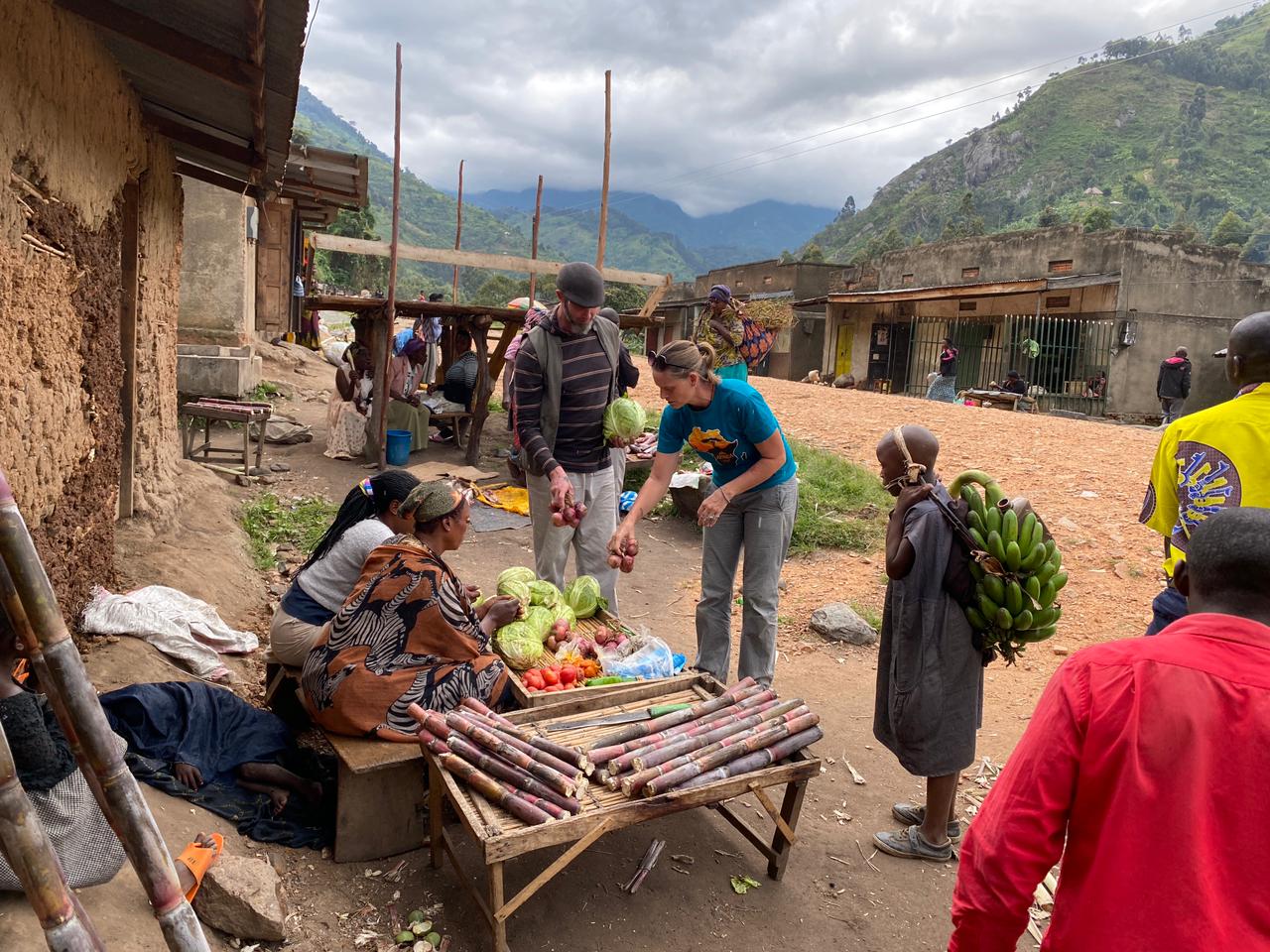
This is How to discover the people, flavours and traditions of the Rwenzori Mountains in a memorable 2-3 hour cultural experience in Ruboni Tourism Village, Uganda. “You don’t truly know a place until you know its people, and one of the best ways to get to know its people is through their food.” as offered in this Stopover in the Rwenzori Foothills.
Why this stopver in the Rwenzori Foothills
In the foothills of the Rwenzori Mountains, where green hills rise towards the spectacular blue Portal Peaks, a different kind of adventure awaits. You don’t need to climb a mountain or spend days on a hiking trail to experience the beauty of this region. Sometimes, all it takes is a few hours in a village, sharing a meal, learning a local skill and listening to the stories of the people who call these mountains home.
The Bakonzo Cultural event and Coffee Experience offers just that. It is an opportunity to discover the food, farming traditions, coffee culture, music and everyday life of the Bakonzo people while supporting a community-led tourism initiative.
Whether you are travelling between Kibale Forest National Park and Queen Elizabeth National Park or spending a night in the Rwenzori foothills, this village stopover gives you a meaningful way to experience the Mountains of the Moon without climbing their high peaks.
Arriving in Ruboni Tourism Village
Your cultural journey begins at Ruboni community visitors centre, nestled beneath the Rwenzori Mountains, close to the entrance to the central circuit gate of of Rwenzori Mountains National Park.
From Kasese town, take the Fort Portal Road for approximately 10 kilometres and turn at the Nkenda electricity terminal towards Ruboni and the national park gate. The drive takes you for 15km away on a relatively good road, from the main highway into a landscape of cultivated hills, village homes, gardens and mountain views.
At the Ruboni Community Visitors Centre, local hosts welcome you and introduce you to the experience ahead. Rather than simply watching a performance or visiting a tourist attraction, you become part of the day's activities, meeting the people, discovering their skills and learning how local traditions connect with the surrounding environment.
Discover the Food and Cooking Traditions of the Bakonzo
Food is often the most personal introduction to a culture. It tells stories about the land, the seasons, family life and the knowledge passed from one generation to another.
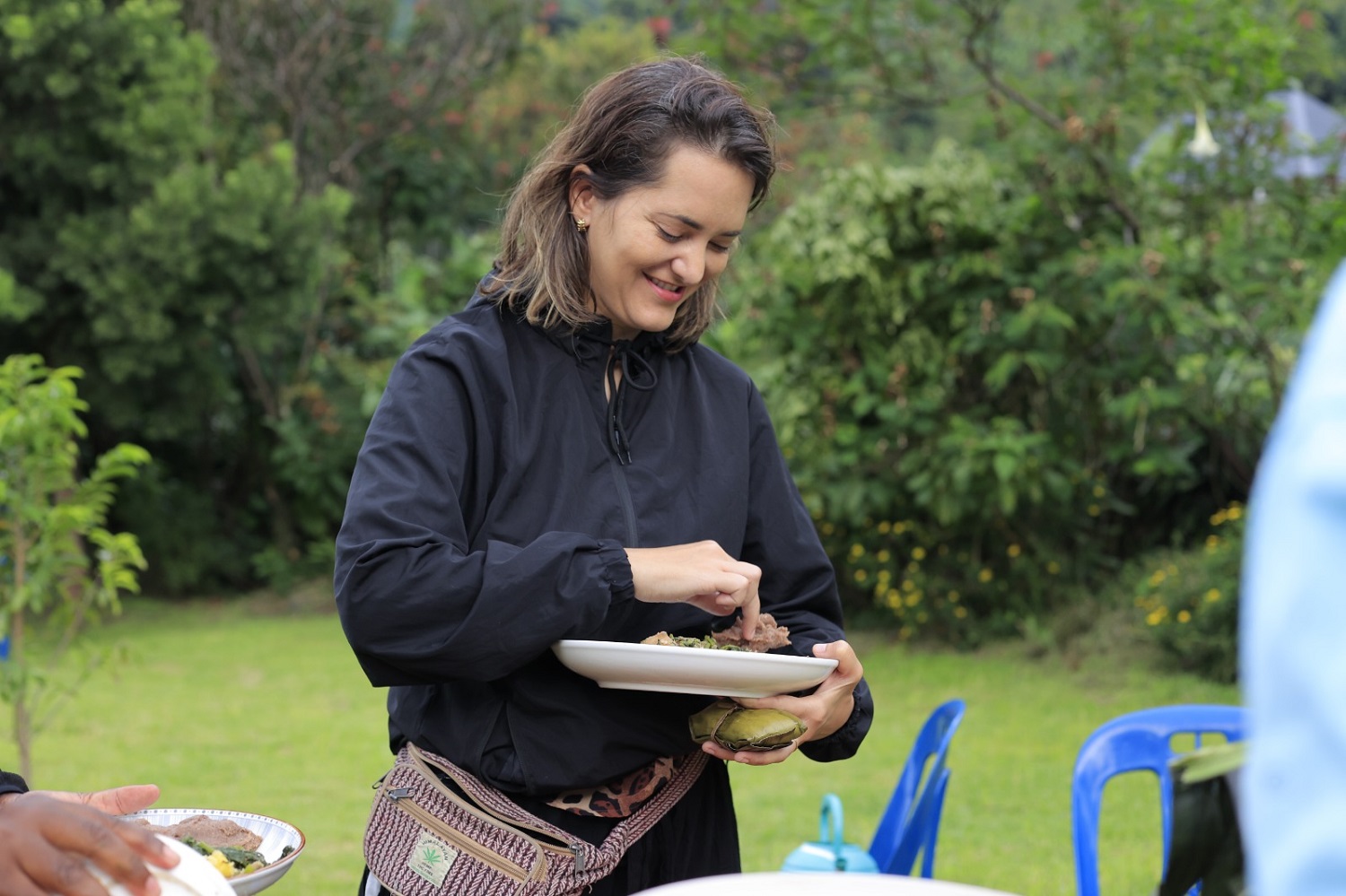
Your experience begins with an introduction to traditional Bakonzo food and cuisine. Depending on the day's menu and seasonal availability, you may participate in harvesting ingredients, preparing vegetables, collecting herbs and spices, and learning how different foods are brought together to create a local meal.
Some ingredients come from household gardens, while others may include traditionally gathered forest products harvested responsibly. Your hosts explain how local people identify, prepare and use these ingredients in their cooking.
Then comes the practical part: preparing the food and cooking it over a traditional firewood stove, and sometimes in clay pots. As the fire crackles and the aroma of fresh ingredients fills the cooking area, you have time to ask questions, exchange stories and discover the techniques that make village cooking distinctive.
This is not simply a demonstration of how food is prepared. You take part in the process, gaining a closer appreciation of the relationship between the Bakonzo people, their land and their food traditions.
From Coffee Seedling to Your Cup
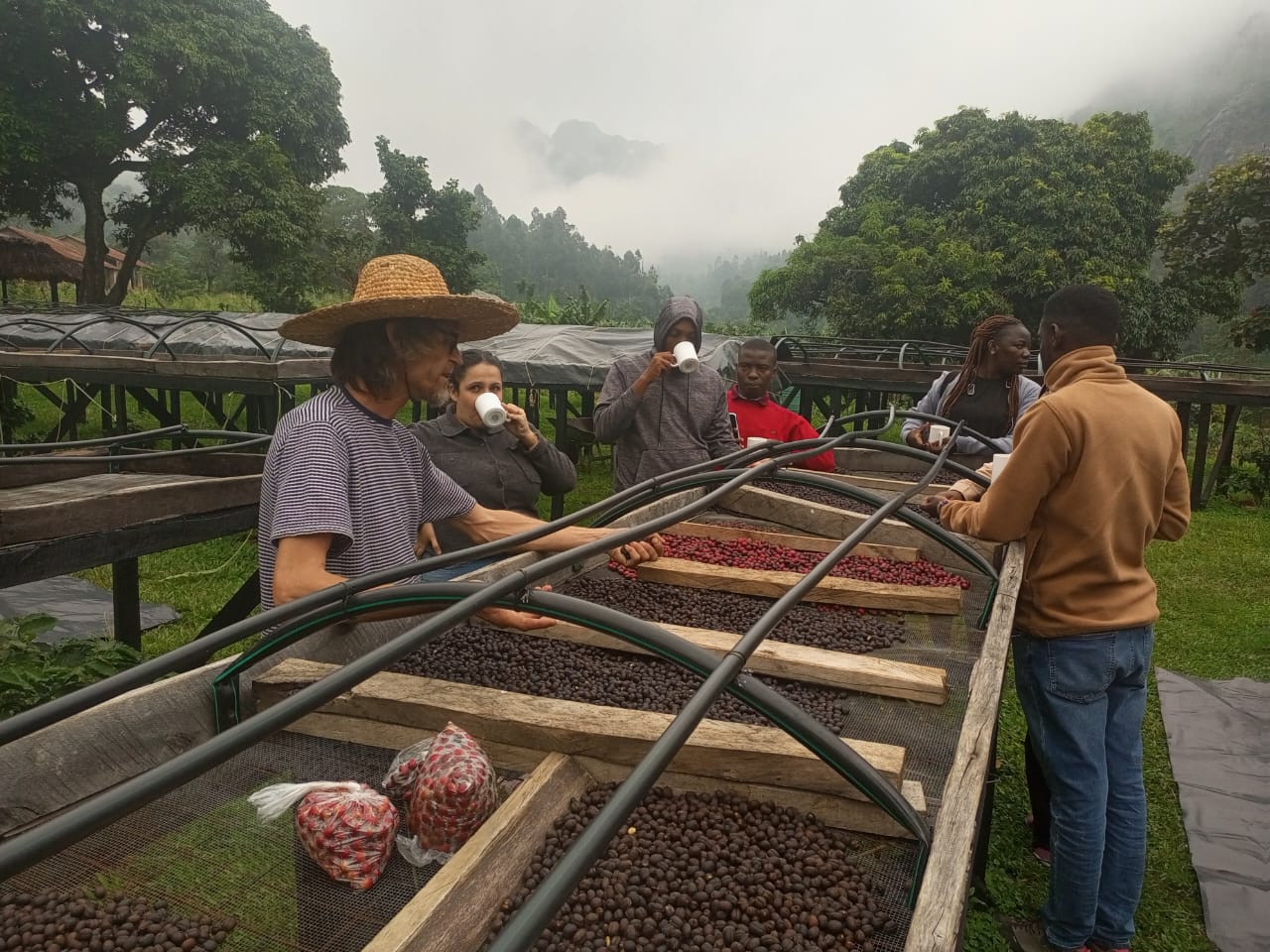
While your meal cooks, the experience continues at a local coffee site, where you discover another important part of everyday life in the Rwenzori foothills.
Coffee is more than a drink here. It connects farmers to the land, household livelihoods to international markets, and traditional agricultural knowledge to a global industry.
Your coffee experience begins with a welcoming cup of freshly prepared coffee. From there, local coffee workers introduce you to the journey from seedling to finished drink.
Learn how coffee is grown, when the cherries are harvested, how the beans are processed and prepared for the market, and what happens before they eventually reach a coffee cup. Depending on the season and activities available, you may also see some of the practical stages of coffee production.
The experience offers a chance to understand the work behind every cup and the role coffee plays in supporting Ruboni households.
Take your time, enjoy the aromas and flavours, and discover how a crop grown on the slopes of the Rwenzori Mountains becomes part of a much wider story.
Before leaving the coffee site, you will receive a small coffee gift to take home as a reminder of your visit.
Sit Down to a Traditional Bakonzo Meal
After exploring the coffee-growing process, return to the community centre for the meal you helped prepare.
This is one of the most rewarding moments of the experience. You are no longer simply tasting unfamiliar food; you have participated in bringing it from the garden or ingredient collection stage to the cooking fire and finally to the table.
The menu varies according to the day and the availability of local ingredients. Your hosts introduce you to the dishes, explain how they are traditionally prepared and help you understand their place in local food culture.
Enjoy the meal at a relaxed pace, sharing conversation with your hosts and fellow visitors. For travellers interested in authentic food experiences, this is an opportunity to appreciate the flavours of the Rwenzori region beyond the meals usually served in hotels and restaurants.
It is also a reminder that local cuisine is part of a living culture, shaped by the environment, household knowledge and the creativity of the people who prepare it.
Feel the Rhythm of Bakonzo Music and Dance
Once the meal is over, the atmosphere changes as traditional music and dance bring another dimension to the experience.
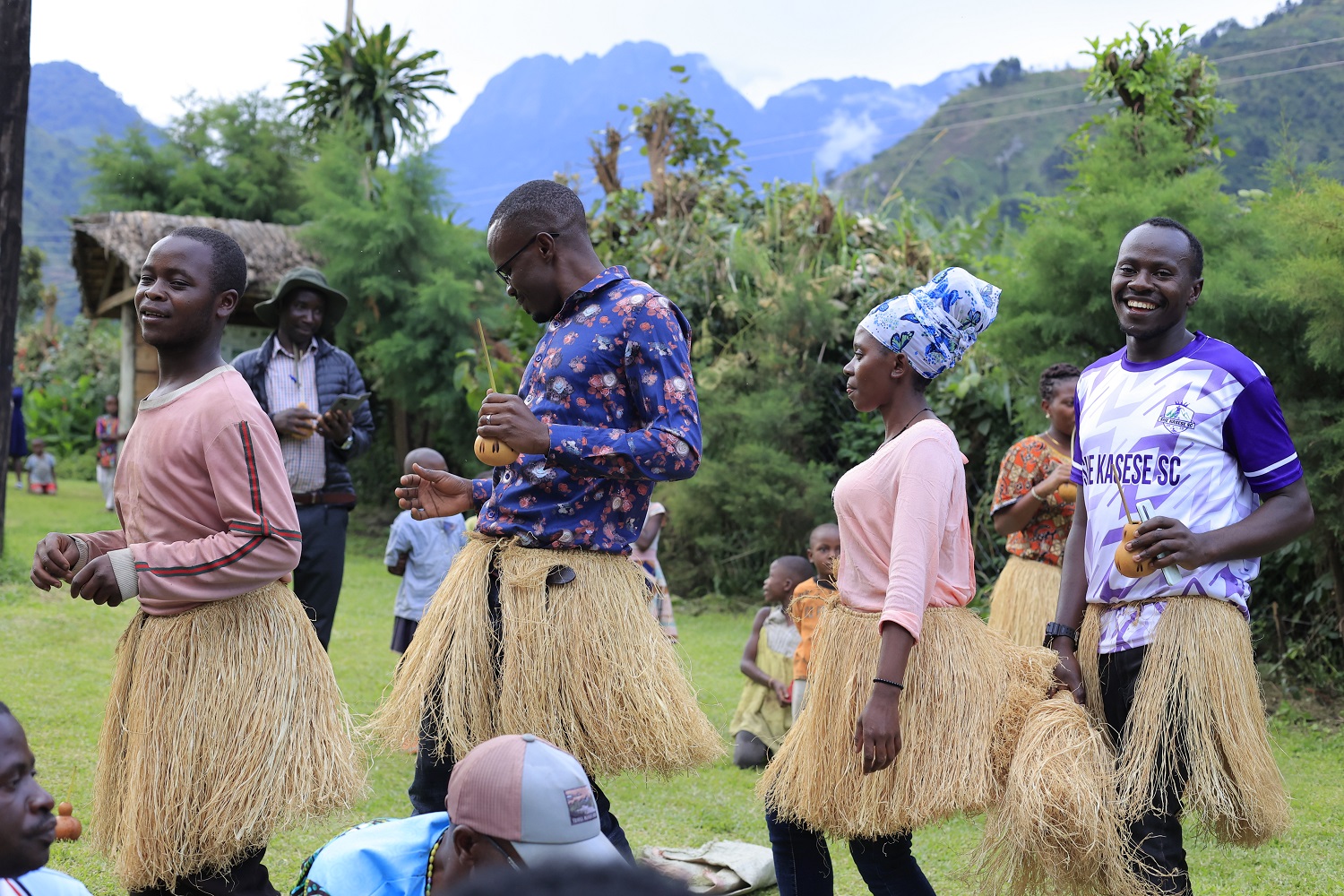
Local performers appear in traditional attire, including animal-skin costumes where used, and the sound of drums, flutes and xylophone-style instruments fills the gathering space. Rhythmic movements, songs and coordinated dancing create a lively expression of Bakonzo cultural identity.
Between performances, local guides help interpret the songs and explain their meanings, giving you a better understanding of the traditions behind the music.
You are welcome to enjoy the performance as an audience member, but the experience can go further. If you are curious, your hosts can introduce you to some of the cultural workshops available at the centre.
Depending on the day's programme, these may include:
- Traditional percussion: Discover the rhythms and instruments used in local music.
- Millet grinding: Try the traditional technique of grinding millet on stones and learn about its role in food preparation.
- Craft weaving: Explore local weaving skills and the creativity behind handmade products.
- Hide tanning: Learn about traditional methods of preparing animal hides and their historical uses.
- Local drinks: Discover traditional banana-based beers, wines and spirits, with tasting subject to availability and applicable age requirements.
These activities provide a more personal way to engage with the culture. Rather than leaving with photographs alone, you can leave with a new skill, a story to share or a better understanding of how cultural knowledge is preserved.
Take Home a Piece of the Rwenzori
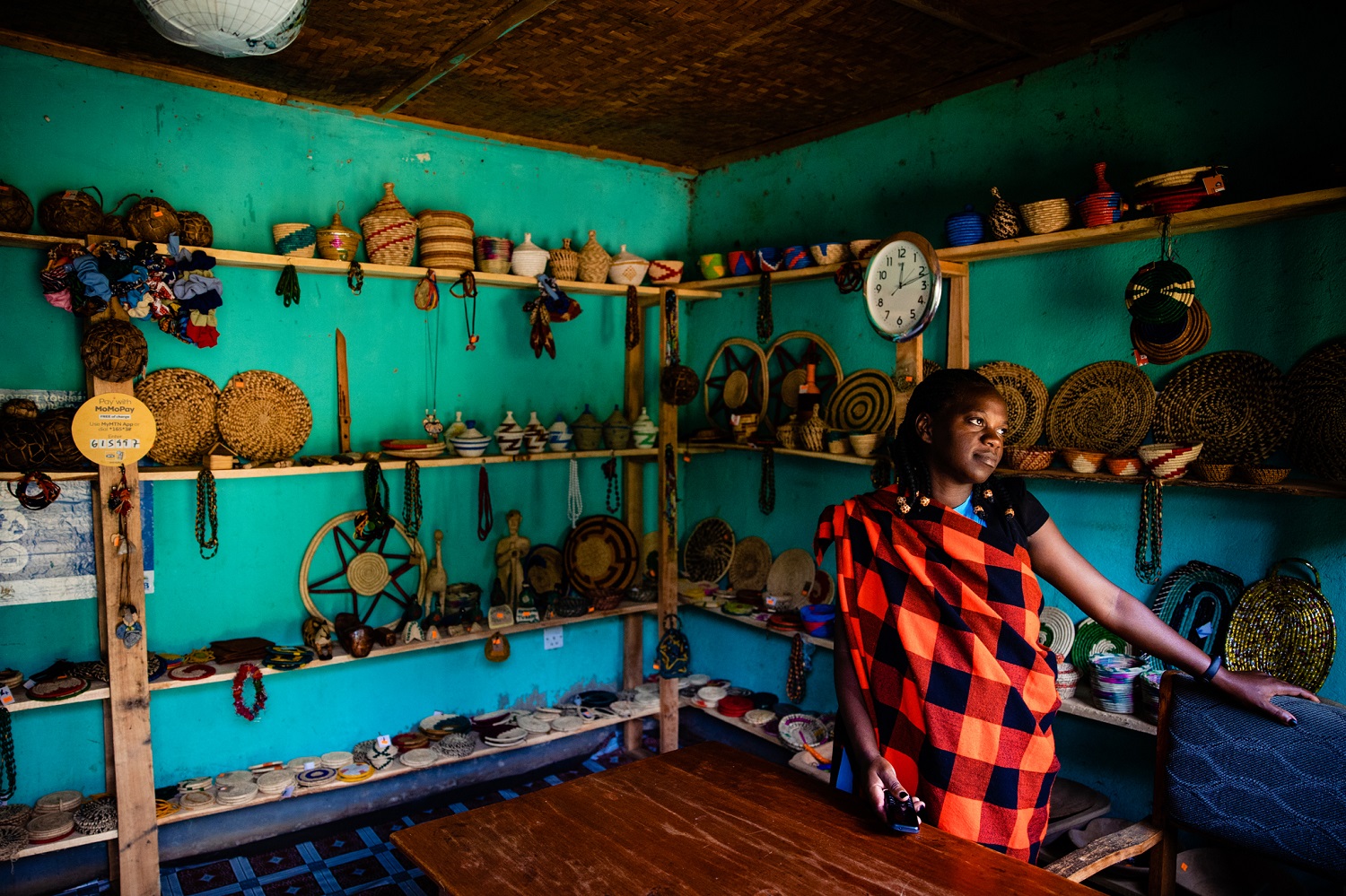
Before concluding your visit, make time to explore the local crafts shop.
Here, you can find handmade baskets and other craft items produced by local women and artisans. Many products reflect skills developed within households and communities, using locally available materials and techniques passed between generations.
Purchasing a craft is a simple way to support local enterprise while taking home something with a direct connection to the place you have visited.
Have the women, farmer, youth and artisans behind the scene, in your mind? Each item offers a reminder that tourism can create opportunities beyond accommodation, transport and guiding. It can also provide a market for local creativity and help people earn from skills that might otherwise receive little recognition.
Travel Responsibly and Give Back Through Your Visit
A village experience can be a small part of a journey, but its contribution can extend beyond the hours you spend there.
The Bakonzo Cultural and Coffee Experience is part of Ruboni Tourism Village's community tourism approach, which connects visitors with local people, livelihoods and cultural heritage. By participating, you help create opportunities for local guides, cooks, performers, farmers and craft makers.
Community tourism also creates a reason to value cultural knowledge, traditional skills and the landscapes that sustain rural livelihoods. When visitors choose locally organised experiences and purchase local products, more of the benefits of tourism can reach the people who live in the destination.
Ruboni Tourism Village has received international recognition through the United Nations World Tourism Organization's Best Tourism Villages initiative, joining destinations recognised for their potential to use tourism to support rural development and preserve local heritage.
Your visit is therefore more than a convenient break along the road. It is an opportunity to experience the Rwenzori region through the people who know it best.
You can add this package to your safari trip by contacting us now.