Introduction
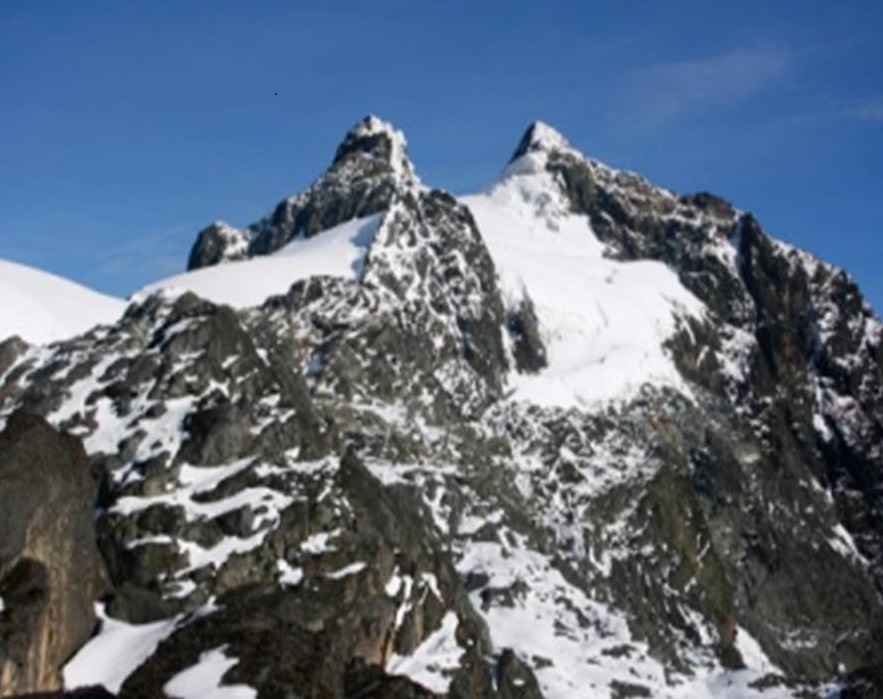
Deep in western Uganda, rising dramatically along the border with the Democratic Republic of Congo, lies one of the world's most remarkable mountain ranges—the Rwenzori Mountains, popularly known as the Mountains of the Moon.
Unlike Africa's volcanic giants such as Kilimanjaro and Mount Kenya, the Rwenzori are a massive block mountain formed by tectonic uplift. They are among the oldest mountain systems in Africa and contain an extraordinary combination of glaciers, alpine lakes, giant vegetation, tropical rainforest, waterfalls and permanent snow situated almost directly on the Equator.
For centuries these mountains remained hidden beneath clouds. Ancient Greek geographer Claudius Ptolemy described mysterious snow-covered mountains at the source of the Nile nearly 2,000 years ago. Today, many historians believe he was referring to the Rwenzori.
To modern visitors, the Rwenzori remain one of Africa's least explored high mountain wildernesses. They offer experiences ranging from half-day nature walks through pristine montane forests to demanding expeditions that reach the highest glaciers in Uganda.
Whether you are a mountaineer pursuing Margherita Peak, a student studying mountain ecology, or a traveler searching for authentic cultural experiences among the Bakonzo people, the Rwenzori Mountains National Park offers one of Africa's richest natural and cultural landscapes.
The Rwenzori Mountain Range at a Glance
The Rwenzori Mountains stretch for approximately 120 km from north to south and are about 65 km wide, making them Africa's largest mountain range by area. Unlike Kilimanjaro or Mount Kenya, which are single mountains, the Rwenzori consist of numerous interconnected massifs separated by deep valleys.
The range covers approximately 5,000 square kilometres, with nearly 1,000 square kilometres protected within Rwenzori Mountains National Park.
The highest point is Margherita Peak on Mount Stanley, standing at 5,109 metres (16,762 ft) above sea level.
The Rwenzori contain Africa's:
- Third highest mountain — Mount Stanley (5,109 m)
- Fourth highest mountain — Mount Speke (4,890 m)
- Fifth highest mountain — Mount Baker (4,844 m)
Other major mountains include Mount Emin, Mount Gessi, Mount Luigi di Savoia and several spectacular subsidiary peaks.
Together these mountains form one of the most technically interesting climbing regions in Africa.
Snow on the Equator
Perhaps nothing makes the Rwenzori more legendary than the fact that they carry permanent glaciers only a short distance from the Equator.
The Equator passes through Uganda approximately 48 kilometres north of Margherita Peak.
Despite lying almost on the Equator, temperatures on the highest peaks frequently fall below freezing, allowing glaciers and seasonal snowfall to persist.
Unfortunately, climate change has dramatically reduced the size of these glaciers over the last century. Scientists estimate that more than 80% of the ice cover has disappeared since the early 1900s, making the Rwenzori an important natural laboratory for climate research.
UNESCO World Heritage Status
The exceptional ecological importance of the Rwenzori Mountains led UNESCO to inscribe Rwenzori Mountains National Park as a World Heritage Site in 1994.
The park was later recognized as a Ramsar Wetland of International Importance in 2008, acknowledging its globally significant alpine wetlands, peat bogs, rivers and freshwater systems.
These international recognitions reflect the mountain's outstanding biodiversity, endemic species, dramatic landscapes and role in safeguarding the headwaters of many rivers flowing into Lakes Albert, George and Edward.
Biodiversity
The Rwenzori Mountains National Park protects one of Africa's richest montane ecosystems.
Scientists have recorded approximately:
- more than 1,000 plant species
- over 217 bird species
- around 19 Albertine Rift endemic birds
- about 70 mammal species
- 6 primate species
- numerous reptiles and amphibians, including several endemic chameleons
- thousands of insect species, many of which remain scientifically undescribed.
The mountain's vegetation changes dramatically with altitude.
Visitors pass through:
- Tropical rainforest
- Bamboo forest
- Heather forest
- Giant heather zone
- Giant lobelia and giant groundsel zone
- Alpine meadows
- Permanent snow and glaciers
Few mountains on Earth display such an extraordinary ecological transition over a relatively short distance.
Wildlife
Although most visitors come for trekking, the park supports an impressive variety of wildlife.
Common mammals include:
- Black-and-white colobus monkey
- Blue monkey
- L'Hoest's monkey
- Rwenzori duiker
- Bushbuck
- Giant forest hog
- Forest elephant (rare)
- Leopard (very elusive)
Birdwatchers particularly seek:
- Rwenzori Turaco
- Handsome Francolin
- Lagden's Bush-shrike
- Strange Weaver
- Archer's Robin-chat
- Rwenzori Batis
Many of these birds occur nowhere else outside the Albertine Rift.
The Bakonzo and the Sacred Mountains
Long before mountaineers arrived, the Rwenzori were home to the Bakonzo, whose culture, traditions and spiritual beliefs remain deeply connected to the mountains.
To the Bakonzo, the mountains are not merely physical landscapes but sacred places inhabited by ancestral spirits and divine beings.
Traditional ceremonies were historically performed to seek rain, healing, protection and successful harvests.
Many rivers flowing from the glaciers continue to provide water for agriculture, hydroelectricity and domestic use throughout western Uganda.
Today, community tourism initiatives such as Ruboni Tourism Village allow visitors to experience Bakonzo culture through village walks, traditional music and dance, storytelling, coffee experiences, craft making and local cuisine.
Why Trek the Rwenzori?
The Rwenzori are unlike any other trekking destination in Africa.
Visitors can experience:
- Africa's highest non-volcanic mountains
- Permanent glaciers almost on the Equator
- UNESCO World Heritage landscapes
- Giant lobelias and giant groundsels
- Spectacular alpine lakes
- Ancient forests
- Waterfalls and rivers
- Rich birdlife
- Authentic Bakonzo culture
- Community-owned tourism experiences
- Some of Africa's finest high-altitude trekking
Unlike more crowded mountains, the Rwenzori offer solitude and wilderness, making them particularly attractive to experienced trekkers, photographers, naturalists and researchers.
Tourism Today
Today, the Rwenzori Mountains National Park is managed by the Uganda Wildlife Authority (UWA) in partnership with licensed concessionaires, local communities and professional mountain guide organizations.
The park now offers:
- Half-day and full-day nature walks
- Birdwatching excursions
- Multi-day trekking circuits
- Technical mountaineering expeditions
- Educational visits
- Scientific research
- Community cultural experiences
Several official trail systems provide different ways of exploring the mountains, from gentle forest walks to the challenging ascent of Margherita Peak.
These trekking routes—and the communities, landscapes and logistics associated with each—form the heart of this guide and will be explored in detail in our next post or when you visit Ruboni Tourism village.
Book your visit to Ruboni village any time! Looking forward to welcoming you and showing you around the Rwenzori Mountains.